
Who Gets to Be Body Positive? The Double Standard Around GLP-1
The latest hot take on GLP-1 is that it is destroying the body positivity movement. But I'm here to argue against that and shine a light on how body positivity does not police health decisions.
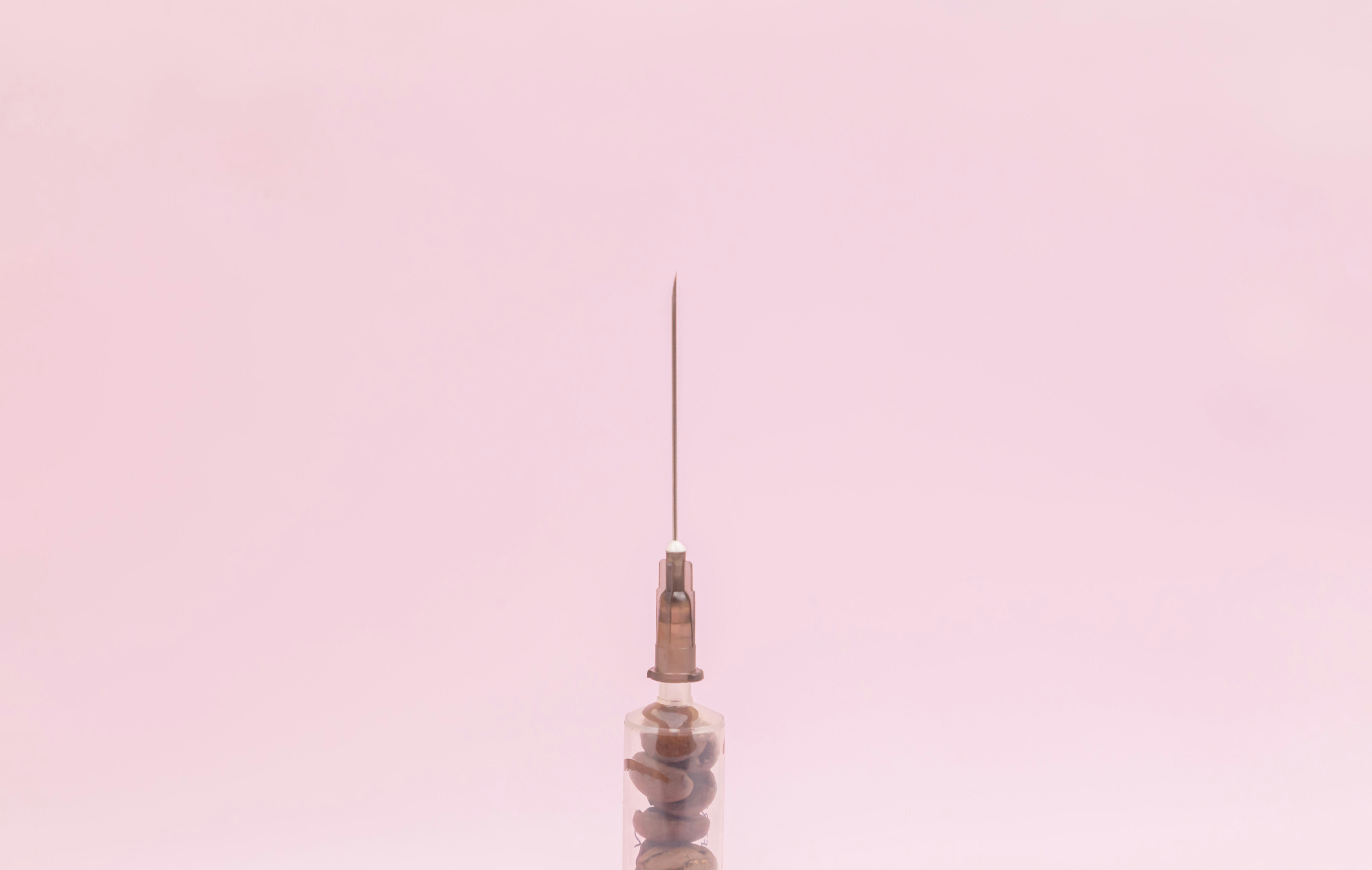
There have been recent articles written about how GLP-1 has destroyed the body positivity movement and made the obsession with being skinny at the forefront again. Gone are the days of appreciating our size differences and moving away from the idea that skinny is the most attractive. But as a nutritionist and a neuroscientist, I take issue with the demonizing of GLP-1 medications and the clientele that uses them. I want to acknowledge that there are issues with mental health with regard to GLP-1 use and a risk of some people becoming anorexic or developing disorderd eating. This thought piece does not diminish the real risks and dangers for some people taking the medication.
But I want to defend those taking the “skinny jab,” as for many, this is the most body-positive change they have made for themselves. I have clients who are struggling with obesity, type 2 diabetes, heart disease, high blood pressure, PMOS (previously PCOS), perimenopause symptoms, and comorbidities from having those metabolic illnesses, such as arthritis, joint pain, migraines, infertility, depression, brain fog, and memory issues. They also struggle with how society sees them. They struggle to get the job when they are compared to someone who is more trim. They are cast as lazy, but their bodies struggle with exercise due to pain, which is not considered. The stigma and bias against people who are overweight are prevalent at work, in a doctor’s office, and in social settings. Many of these people are actively trying to lose weight and pushing themselves, but the scale won't budge. Many of them have family histories of trauma that have affected their very genetics, contributing to weight gain. Their doctors are recommending GLP-1 injections to reduce their medications, finally balance their glucose, and improve their pain. For many of these clients, this is the first time they have seen change, and they are excited about it. Clients can walk a full mile without pain. They can make sustainable changes to their diet because food tastes different, and they aren’t battling food noise all day long.
Why am I laying out these facts? Because the writers who are putting down GLP-1 use are not living these clients’ lives, they are not suffering in the same way, and they have not been shamed for their appearance, even during the body positive movement. And speaking of the body-positive movement, let’s take a trip down memory lane to how women of all shapes and sizes have actually been treated. Let’s start with the hallmark story of Lizzo. Lizzo embraced her body; she performed for hours on stage singing, dancing, and playing an instrument, and she was caught in a conversation about whether her body was healthy because of her size. Jillian Michaels made the controversial comment that Lizzo was not healthy because her body size was not healthy. She wasn’t at her doctor's appointments, she didn’t know her blood test results, and she didn't even know Lizzo. But based purely on her appearance, she was marked as unhealthy. It’s not surprising that Jillian Michaels also puts down people taking GLP-1 because she says they will be on it for the rest of their lives, and people should just eat healthy and exercise. Again, she is not a trained health professional or doctor to make such comments, and she is not taking genetics into account here. But many people listen to Jillian because she's a trainer and has been on The Biggest Loser. Lizzo was an innocent party in this conversation, living her life in her body, and her body was at the center of the debate over whether she could be healthy. She has also taken GLP-1 for weight loss, and that is also scrutinized because wasn’t she the face of body positivity? The point of body positivity was to stop shaming people for their size and let people live their lives, and that clearly failed.
The rhetoric now feels more about gatekeeping who can be thin and the continuation of policing women’s bodies. I don’t see a lot of controversy over men using GLP-1. The same magazines that are tearing women down for using GLP-1 are also the same ones that were shaming Britney Spears, Christina Aguilera, and Jessica Simpson for being a size 2 and having too much belly fat, too much cellulite, and looking their worst in their bikini/summer bodies- or as we in the real world call them- bodies. These magazines move through an evolution of telling women how their bodies should look, then pivot when that doesn’t sell to saying women should love the body they are in, while still criticizing women who have more athletic or larger bodies, and then, when women are choosing medications that are beneficial for their lives, now those women are ruining the body positive movement. The article I am referring to, criticizing GLP-1 use and the obsession with being skinny, includes pictures of Kelly Osbourne in the midst of struggling with immense grief from losing her father. They compared someone grief-stricken and suffering to the use of GLP-1 and destroying body positivity. That is cruel and manipulative. It sounds like this is just another ploy to criticize women for their bodies and their choices.
Now, some people will bring the argument that thin women are also using GLP-1 and shouldn’t they be happy in their bodies? Just because you are in a thin body does not mean you don’t have high cholesterol, high blood sugar, high blood pressure, or perimenopausal/menopausal symptoms, among other medical conditions. Women are microdosing GLP-1 to improve hot flashes, night sweats, and hormonal inflammation. Should those women be told they cannot access these medications for those benefits because they are thin? The gatekeeping on health goes both ways. If you are thin, you cannot have GLP-1 for medical benefits; if you are overweight, you cannot have GLP-1 because you are ruining body positivity. It sounds to me like the media just want to use women as punching bags, as they have historically done. Real body positivity is supporting people in choices that help them feel better and improve their health, not just celebrating all bodies in the abstract while policing how health is achieved.
Why am I in favor of reframing GLP-1 as part of the body positive movement? GLP-1 may be the most body-positive thing some people can do for their health. It improves their metabolic illnesses and extends their lives. It can improve life during perimenopause and menopause, so women are not suffering from symptoms that disrupt sleep, destroy their focus, and contribute to them feeling like they are not themselves. For some women, or in this case people, GLP-1 helps them feel like themselves again years after childbirth, and the baby weight won’t budge, difficult surgeries that can increase a sedentary lifestyle, and more to the point, nuances that make everyday difficult to follow an exercise and nutritious lifestyle.
Mental health also plays a role here. For patients taking anti-psychotics, it can feel impossible to lose weight due to these medications. These pharmaceuticals may balance mental health, but they can contribute to up to 100 lbs of weight gain over the course of one or more years. Even after stopping the medication, it is increasingly difficult to lose the weight gained. Those medications change the body’s metabolism. But if Metformin is prescribed, it is perfectly acceptable for these clients to be taking these medications. However, if GLP-1 is prescribed, then there is a problem. GLP-1 may be the only medication that can help these patients lose their pharmaceutical weight gain.
All of this to say the decision to use GLP-1 is complex, and a person’s health should be at the forefront, not their weight and how their body looks. They are not destroying the body positivity movement but rather changing it and how we approach caring for our bodies.