

The Powerhouse in Your Gut: Why Everyone is Talking About Mitochondria
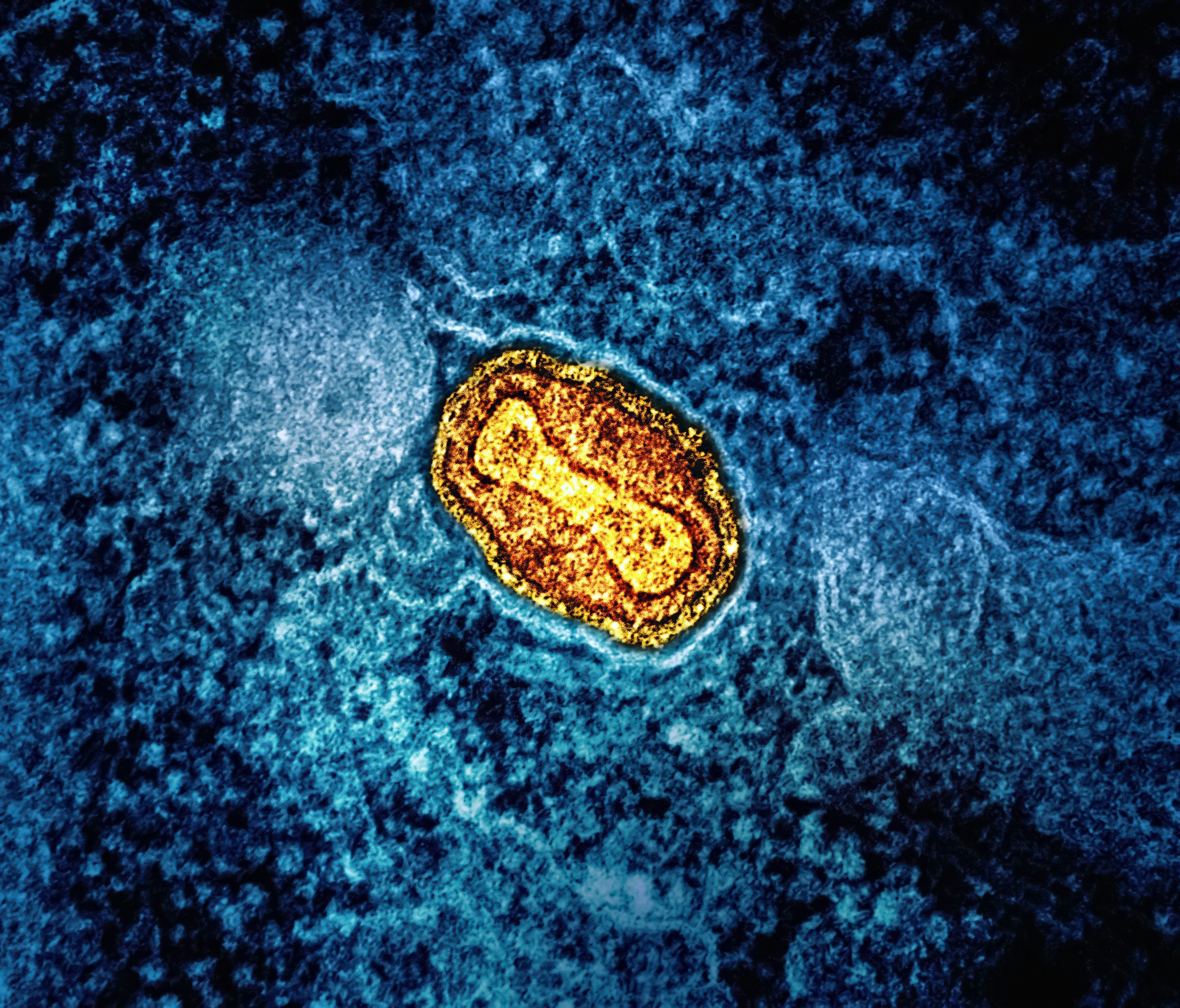
In the world of health trends, "mitochondria" is having a major moment. You probably remember the phrase from 7th-grade biology: "The mitochondria is the powerhouse of the cell." It’s a classic meme at this point, but in the world of functional medicine and neuroscience, it’s also the key to understanding why we feel exhausted, foggy, and hormonally imbalanced.
These tiny organelles are the literal spark of life and how their health is inseparable from the state of your gut.
The Mitochondria-Gut Axis: A Two-Way Street
For a long time, we thought mitochondria just sat inside our cells making energy (ATP). But recent research has uncovered a fascinating crosstalk between our mitochondria and our gut microbiome. This is known as the Mitochondria-Gut Axis. According to the Institute for Functional Medicine (IFM), your gut lining is one of the most energy-demanding tissues in your body. The cells lining your intestines need massive amounts of ATP to maintain the tight junctions that keep your gut barrier intact. When mitochondria fail, the gut becomes leaky. It goes both ways: a healthy microbiome produces short-chain fatty acids (SCFAs) like butyrate, which actually serve as fuel for your mitochondria. When your gut is healthy, your mitochondria thrive. When your gut is inflamed, your mitochondria begin to sputter.
The Mitochondrial Hijackers: What’s Draining Your Battery?
Many aspects of modern life leave our mitochondria without proper fuel to do their jobs. When our mitochondria are under attack, they enter a state of mitochondrial dysfunction. This isn't just about feeling a little tired; it’s a systemic collapse of cellular communication.
Here are the primary culprits that damage your cellular engines:
The Western Diet (Sugar & Processed Fats): High consumption of refined sugars and poor-quality fats leads to mitochondrial fragmentation. Essentially, the mitochondria become overloaded with fuel they can’t process, leading to a buildup of oxidative stress.
Alcohol: Alcohol is a direct mitochondrial toxin. It damages the mitochondrial DNA and inhibits the enzymes needed to produce energy, especially B vitamins.
Mycotoxins & Environmental Toxins: Mycotoxins from mold are particularly harmful to mitochondria. They can halt ATP production entirely, which is why mold exposure leads to such profound, bone-deep fatigue.
Chronic Stress: Constant cortisol output demands high energy, eventually leading to mitochondrial dysfunction from over demand.
The Domino Effect: From Brain Fog to Hormones
When your mitochondria are dysfunctional, the symptoms aren't confined to one area. Because every system in your body requires ATP, the crash is felt everywhere:
Mental Health & Brain Fog: Your brain uses about 20% of your body's total energy. When mitochondria fail, the lights go out on cognitive function, leading to brain fog, depression, and anxiety.
Thyroid & Hormones: The thyroid and mitochondria have a circular relationship. Thyroid hormones tell mitochondria to increase energy production; if mitochondria are damaged, the thyroid often slows down (hypothyroidism) to protect the body from further oxidative stress.
Immune Health: Your immune cells need a massive surge of energy to fight off infections. Mitochondrial dysfunction is often the hidden reason behind chronic low immunity or long-term recovery issues. Mitochondria also signal to the immune system when neurons need to be repaired and cells need to tended to. If they are dysfunctional inflammation and neurotoxins can build up.
Sleep: Believe it or not, it takes energy to sleep! Mitochondria regulate the circadian rhythm. If your cellular engines are broken, you may feel tired but wired and unable to achieve deep, restorative sleep.
Nutrition: The Ultimate Mitochondrial Support
The good news? You can reboot your mitochondria through targeted nutrition. Your cellular engines require specific co-factors to turn food into energy effectively.
Here is what your mitochondria are hungry for:
B-Vitamins & Magnesium: These are the essential spark plugs for the Krebs cycle (the energy-making process).
CoQ10 & Alpha-Lipoic Acid: These act as powerful antioxidants that protect the mitochondria from the oxidative stress they produce while making energy.
Omega-3 Fatty Acids: These help build healthy, flexible mitochondrial membranes.
Phytonutrients: Compounds like resveratrol (found in grapes/berries) and quercetin (found in onions/apples) signal the body to create new mitochondria—a process called mitochondrial biogenesis.
Is Your Battery Drained? Red Flags of Mitochondrial Dysfunction
Because mitochondria power everything from your heartbeat to your thoughts, when they struggle, the symptoms are often diverse and seemingly unrelated. If you are experiencing a cluster of the following, your cellular engines might be calling for help:
Mental Health & Cognition
Anxiety & Depression: It takes a massive amount of cellular energy to regulate neurotransmitters and keep the brain’s alarm system (the amygdala) from overreacting.
Brain Fog: Feeling like your processing speed has slowed down or you’re operating behind a veil.
The Gut-Energy Connection
The gut is a high-turnover environment; it needs constant ATP to repair its lining and move food through the "conveyor belt."
Constipation: This is often a sign that the body is having trouble detoxifying, leading to diminished function in the mitochondria
Loose Stool & Stomach Pain: Conversely, when mitochondria in the gut lining are stressed, they can’t maintain a healthy barrier, leading to inflammation, irritation, and urgency.
Immune & Respiratory Health
Your immune system requires a burst of energy to identify and fight off invaders.
Chronic Stuffy Nose & Cough: If your mitochondria are weak, your immune system can get stuck in a state of inflammation and histamine overproduction. You never quite finish the fight, leading to persistent sinus congestion and a lingering cough.
Physical Performance
Mitochondria are most concentrated in your muscles (including your heart).
Muscle Weakness: Feeling physically heavy or like your limbs are leaden, even without a hard workout.
Exercise Intolerance: Taking days to recover from a simple walk or workout because your cells can’t recharge the battery quickly enough.
The Takeaway
Mitochondrial health is the foundation of everything we talk about here. You can have the best nutrition in the world, but if your cellular engines can’t process that fuel—or if they are being hijacked by toxins and alcohol—you will never feel your best.
By healing your gut, removing environmental toxins and feeding your cells the micronutrients they crave, you aren't just boosting your energy, you are protecting your brain, your hormones, and your future health.
Ready to give your mitochondria a tune-up? Start by cutting the refined sugar and adding in more color. Your powerhouses will thank you.
References
Gubert, C., Kong, G., Renoir, T., & Hannan, A. J. (2023). Cross-talk between the gut microbiota and mitochondria: The role of secondary metabolites. International Journal of Molecular Sciences, 24(10), 8856. https://pmc.ncbi.nlm.nih.gov/articles/PMC10167337/
Institute for Functional Medicine. (n.d.-a). Nutrients to support mitochondria. https://www.ifm.org/articles/nutrients-to-support-mitochondria
Institute for Functional Medicine. (n.d.-b). Connecting mitochondria and gut health. https://www.ifm.org/articles/connecting-mitochondria-gut-health
Rusu, M. A., et al. (2021). Dietary patterns and mitochondrial function. Frontiers in Physiology, 12, 642038. https://pmc.ncbi.nlm.nih.gov/articles/PMC8007172/
Zachos, K. A., et al. (2024). The interplay between mitochondria, the gut microbiome and metabolites and their therapeutic potential in primary mitochondrial disease. PubMed Central. https://pmc.ncbi.nlm.nih.gov/articles/PMC11522957/