

Beyond the Thermometer: Decoding Your Basal Body Temperature for True Metabolic Health
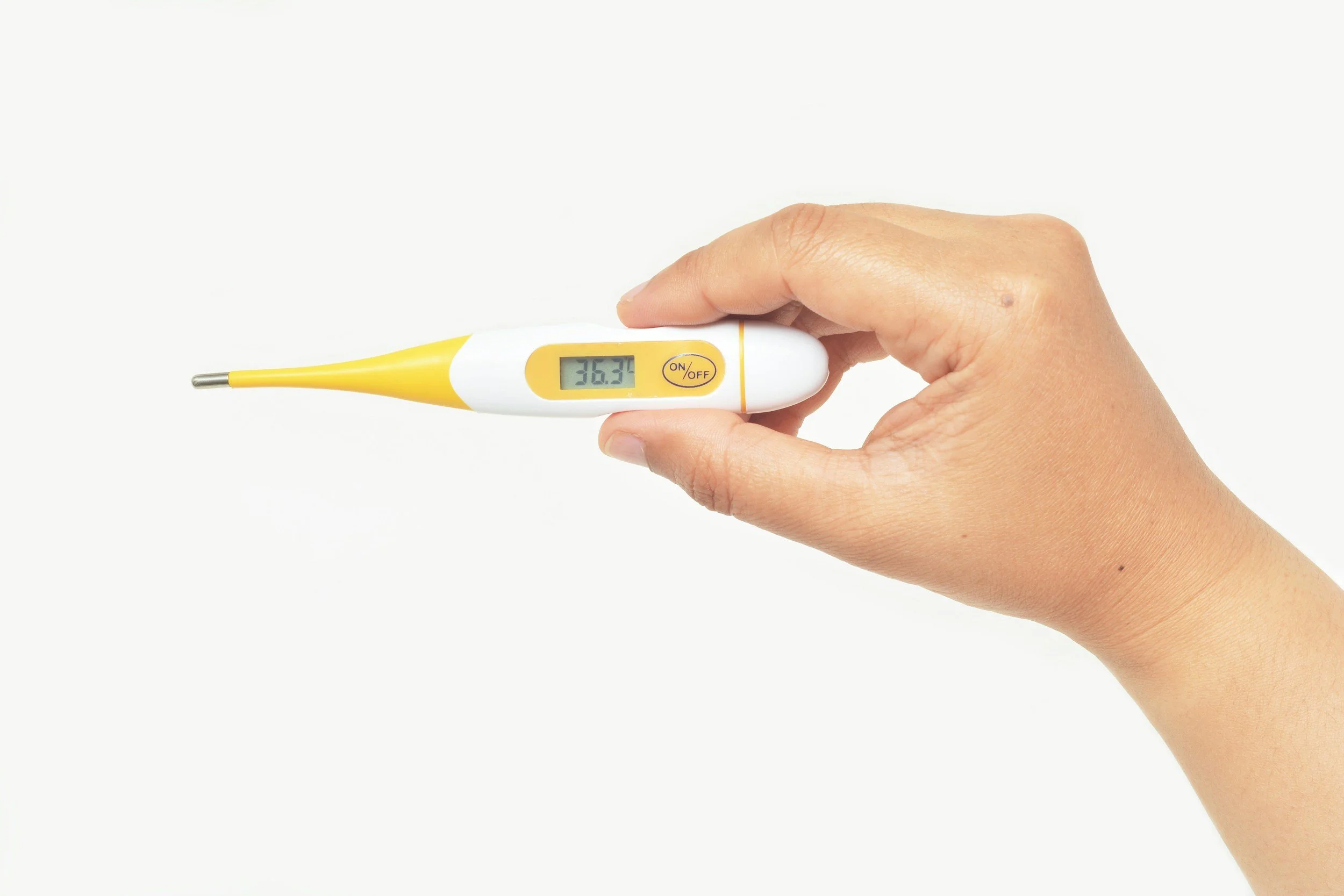
When you wake up each morning, before you even move, your body is whispering secrets about your metabolic health. That initial reading on your thermometer, known as your Basal Body Temperature or BBT, isn't just for tracking fertility, it’s a powerful and often overlooked window into your entire metabolic engine.
As a Neuronutritionist, I look at BBT as a daily report card for your thyroid, mitochondria, and nervous system. It tells me if your body is cruising efficiently, stuck in a state of chronic stress, or battling an unseen inflammatory fire.
Forget what you thought you knew about BBT. Let’s dive into the three critical categories and what each temperature reading reveals about your unique biology.
Category 1: The Stalled Engine – Low Basal Body Temperature (Consistently below 97.4°F)
Imagine your body as a high-performance vehicle. When your Basal Body Temperature consistently reads low, it’s like your engine is perpetually idling at an inefficient speed, or even in power-save mode. This is what we call a hypometabolic state.
What it means: A low BBT signals that your thyroid isn't adequately stimulating your mitochondria, the power plants of your cells, to produce enough heat and energy. This can be caused by chronic undereating, years of restrictive dieting, nutrient deficiencies, especially key minerals, or an overwhelmed nervous system that has slowed everything down to conserve resources.
Common symptoms associated with a low BBT often include:
Chronic fatigue, brain fog, constipation, hair loss, difficulty staying warm.
Category 2: The Inflamed System – High Basal Body Temperature (Consistently above 98.8°F)
If your BBT is consistently running high, it's not necessarily a sign of a super-fast metabolism. Instead, it often indicates that your body is dealing with systemic inflammation or battling an unseen friction within. Think of it like your internal alarm system is constantly buzzing, generating heat in the process.
What it means: A high BBT in this context suggests your immune system is in a persistent state of alert. This simmering can be driven by hidden chronic infections, such as gut pathogens or reactivated viruses, mold exposure, or environmental toxins. Your hypothalamus, the body's thermostat, raises the temperature to try and cook out these perceived threats, leading to an overall feeling of being hot inside.
Common symptoms associated with a high BBT often include:
Chronic fatigue, body aches or stiffness, digestive upset, skin issues.
Category 3: The Survival Loop – High BBT, Chronic Stress, and Weight Loss Resistance
This is a particularly frustrating metabolic trap. Here, a high basal body temperature is not a sign of a revved-up, fat-burning metabolism. Instead, it’s a false high driven by a nervous system stuck in chronic overdrive, leading to a frustrating inability to lose weight.
What it means: When the body is under chronic stress, it constantly pumps out cortisol and adrenaline. These stress hormones are catabolic and thermogenic, they generate heat by breaking down your own tissues, like precious muscle, for quick energy. This creates the high BBT. Simultaneously, chronic stress keeps insulin levels elevated, which is a powerful storage hormone. The body perceives stress as a threat, so it locks down fat stores as a survival mechanism, making weight loss virtually impossible despite efforts.
Common symptoms associated with this profile include:
High waking temperature, stubborn weight gain, feeling wired but tired, insomnia, anxiety, sugar cravings.
Your Temperature, Your Story
Your Basal Body Temperature is more than just a number, it is a narrative of your internal resilience. By understanding which category your body currently occupies, we can stop guessing and start providing the specific biological signals your system needs to thrive. We will work together on meal timings, vitamins, minerals, antioxidants, and exercise type for the best strategies to improve metabolic health.