

Austin Allergies: Why Your Cedar Fever is Actually a Histamine Overflow
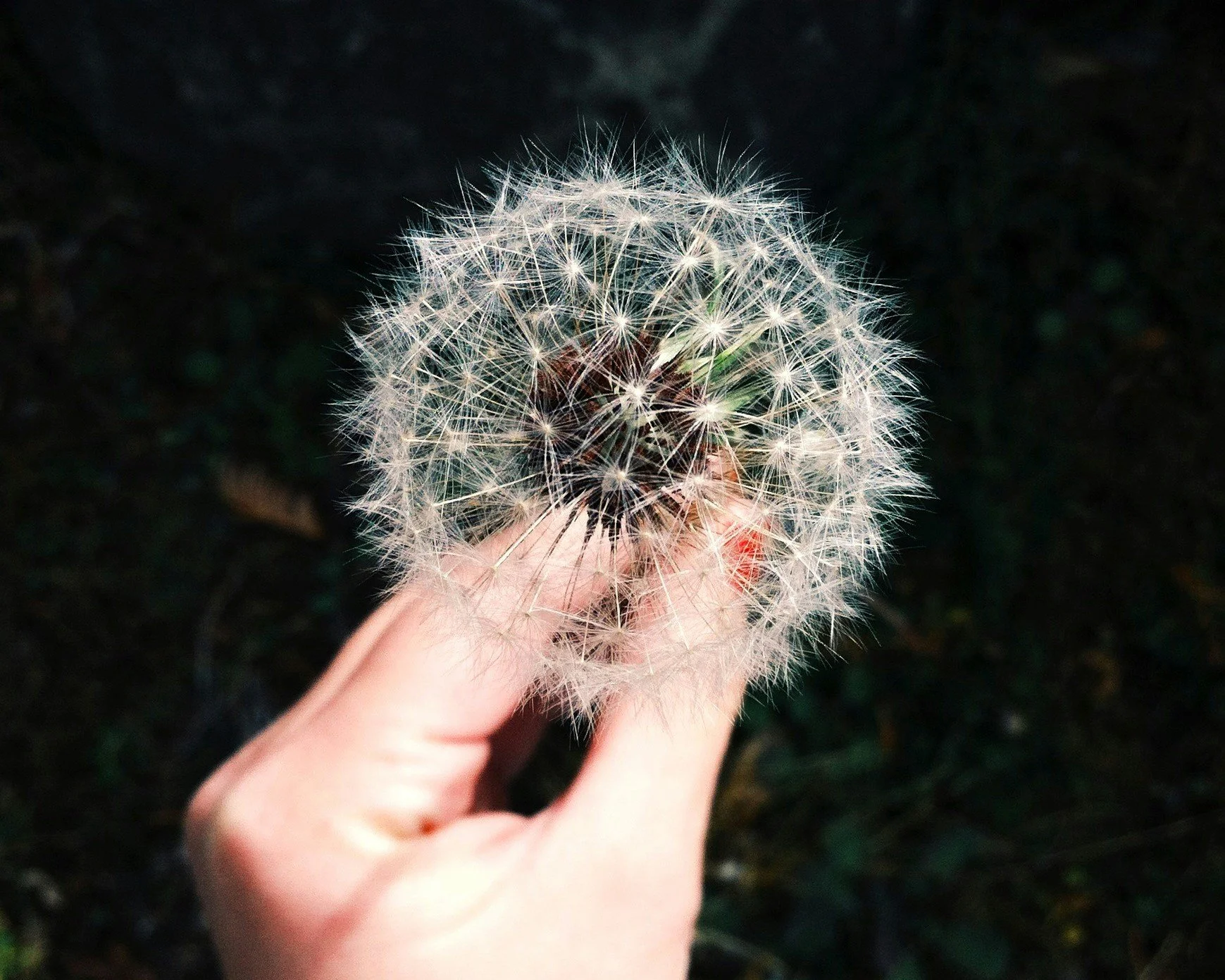
Living in Austin means dealing with a year-round battle against environmental triggers. Many people struggle with symptoms that feel like a never-ending flu, but the root cause is often a physiological phenomenon known as the histamine bucket. You may think that allergies have just gotten worse as you have lived in Austin, but really you have gotten inundated with histamines.
Understanding Histamine and the Immune System
Histamine is a vital signaling chemical produced by your immune system. Its primary job is to protect you from foreign pathogens by acting as a first responder. When your body detects a foreign invader like bacteria or a virus, it releases histamine to increase blood flow and create inflammation in the targeted area. This allows your white blood cells to reach the site and neutralize the threat.
With seasonal allergies or mold exposure, your immune system makes a mistake. It identifies harmless proteins like cedar pollen or mold spores as dangerous invaders. Because these particles are everywhere in the Austin air, your immune system stays in a state of constant alarm. It continues to pump out histamine to fight a ghost enemy that never actually leaves, leading to chronic inflammation, lots of sinus congestion, and the miserable symptoms we associate with cedar fever.
The Hidden Impact of Mycotoxins
In our humid climate, mycotoxins are a major factor in how bad your allergies feel. Mycotoxins are toxic secondary metabolites produced by molds that can accumulate in indoor environments. If you have been exposed to mold in your home or office, your immune system is already working overtime to process these toxins.
When pollen hits an immune system already preoccupied with mycotoxins, the inflammatory response is multiplied. This is why some people feel like they are allergic to everything when their real issue is an underlying mold load. They also feel like they have nasal congestion even when they leave Austin and go to a dry area without allergies. The mycotoxins prime the immune cells to be hyper-reactive, making a standard pollen count feel like a systemic crisis.
Why Your Symptoms Peak at Bedtime
The most frustrating part of the histamine response is its timing. Histamine follows a natural internal clock. In the evening, your levels of cortisol begin to drop so you can prepare for sleep. Cortisol is your body's natural anti-inflammatory, and without it to keep things in check, your histamine levels naturally rise.
If your system is already full of cedar or mold, this nightly surge pushes you over the edge. This is why you might feel an intense internal itch or a sudden stuffy nose the moment you get into bed. Histamine is also a wakefulness chemical. When it spikes in the middle of the night, usually between 1 AM and 3 AM, it can trigger a rush of adrenaline. This causes you to wake up suddenly, often feeling wired, anxious, or overheated. You may have thought these were hormonal symptoms, but they’re actually histamine.
The Morning Concrete Nose
Many people wake up with severe nasal congestion that clears up shortly after they start their day. While you sleep, your immune system is busy trapping allergens in your mucus. Because you are lying flat, gravity cannot help drain these fluids. Once you stand up, your body finally begins to move the debris it collected all night, which is why the first hour of the day often feels the most congested. Nasal sprays in the morning can help and taking a hot shower can also get things moving.
Foods to Avoid During Allergy Season
Most people do not know that histamines can also be triggered by certain foods. To keep your system from overflowing, you have to reduce the amount of histamine entering your body through your diet. Certain foods either contain high levels of histamine or cause your body to release it more readily.
Fermented foods like kombucha, sauerkraut, and yogurt are common triggers during allergy season.
Alcohol is also problematic because it inhibits the enzymes meant to break histamine down.
Aged cheeses and cured meats contain high concentrations of histamine that can quickly fill your biological bucket.
Certain fruits and vegetables like tomatoes, spinach, and citrus can also act as histamine liberators.
Leftovers can be an issue because histamine levels in protein increase the longer food sits after being cooked. If you are making foods ahead of time then freeze them to reduce the amount of histamine in the food.
Managing the Load- what you can take
Managing the Load
For physical relief, a nasal sprays can be highly effective if taken with the correct supplements, you can check out my Austin Allergy Supplement Kit. This supplement combination helps break down the biofilm in the nose where allergens and bacteria hide. If mold is a suspected factor, specialized sprays like CitriDrops can help clear the fungal load. Supporting your body's natural drainage with professional protocols allows your liver and lymphatic system to process the histamine more efficiently, helping you avoid that 3 AM wake-up call.
References
On the Circadian Rhythm of Histamine & Sleep:
Saito, H., & Vliagoftis, H. (2021). Circadian rhythms and mast cells: The role of the molecular clock in health and disease. Journal of Allergy and Clinical Immunology, 148(3), 681–692. https://doi.org/10.1016/j.jaci.2021.07.012
On Xylitol and Biofilm Disruption in Sinus Health:
Kim, J. S., & Ryu, G. (2021). The effect of xylitol on the biofilm formation and adherence of common nasal pathogens. The Laryngoscope, 131(4), E1042–E1049. https://doi.org/10.1002/lary.29054
On Quercetin as a Mast Cell Stabilizer:
Mlcek, J., Jurikova, T., Skrovankova, S., & Sochor, J. (2016). Quercetin and its anti-allergic immune response. Molecules, 21(5), 623. https://doi.org/10.3390/molecules21050623
On Mycotoxins and Immune Hyper-reactivity:
Anyanwu, E. C., Campbell, A. W., & Vojdani, A. (2003). Neurophysiological effects of chronic indoor environmental toxic mold exposure on children. The Scientific World Journal, 3, 281–290. https://doi.org/10.1100/tsw.2003.22
On Diet and Histamine Intolerance:
Hrubisko, M., Danis, R., Huorka, M., & Wawruch, M. (2021). Histamine intolerance: The more we know the less we know. A review. Nutrients, 13(7), 2228. https://doi.org/10.3390/nu13072228