

Beyond the Scale: Why GLP-1s Are Finally Moving Your Blood Pressure (Even After Years of Trying)
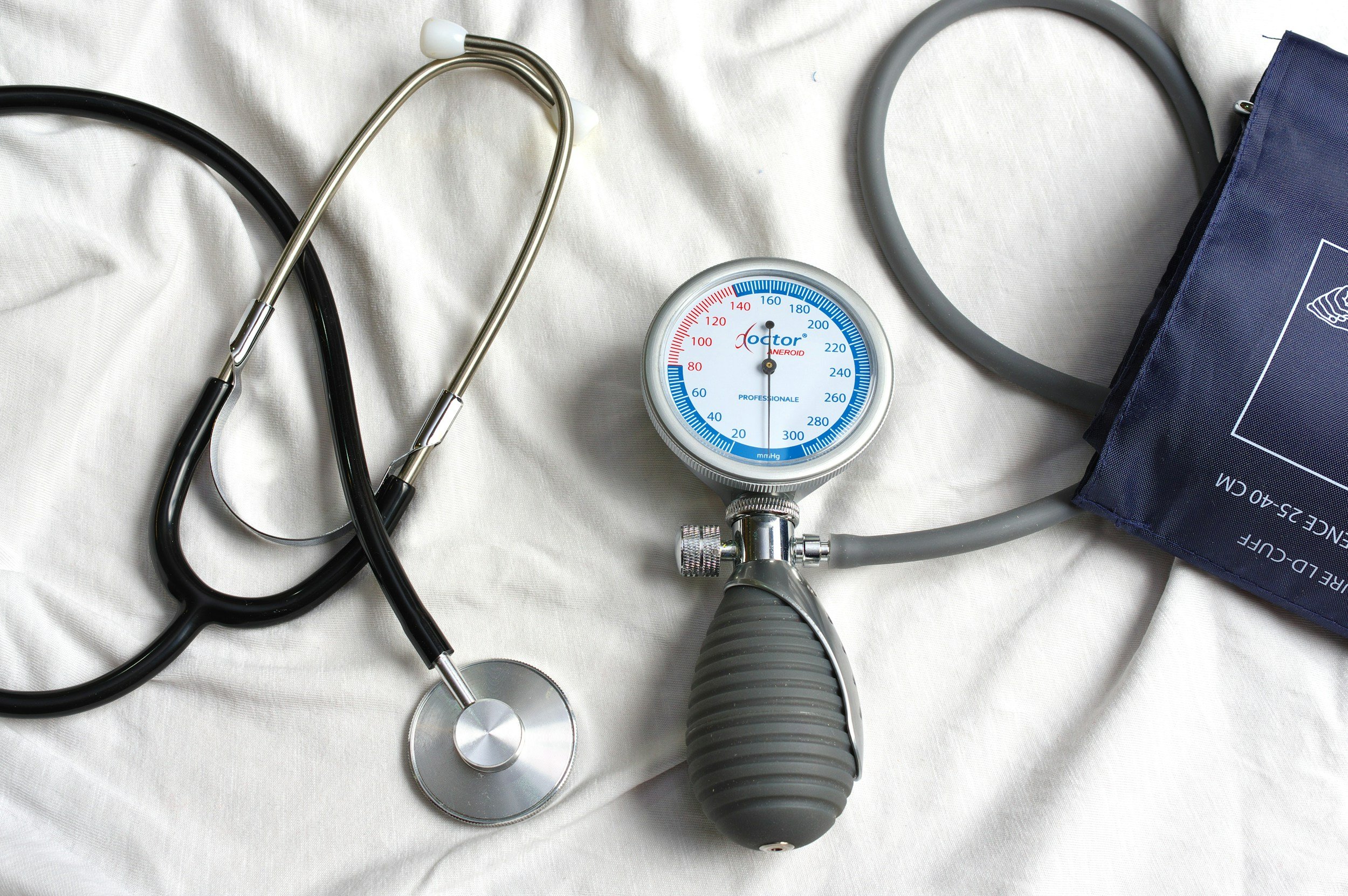
As an applied neuroscientist and nutritionist with over 9 years of experience, I’ve seen countless clients dedicated to managing their health. They meticulously track macros, sweat through workouts, and prioritize sleep—yet, for many, that stubborn high blood pressure number barely budges. It's frustrating to pour so much effort into your well-being only to hit a wall.
But what if I told you that a 5-10 point drop in blood pressure isn't just possible, but realistic with GLP-1 medications, even if diet and exercise haven't cracked the code?
This isn't just about weight loss. The GLP-1 class of medications—like Ozempic, Wegovy, and Mounjaro—are rewriting the rules on how we understand systemic health. They're revealing intricate connections between your metabolism, your nervous system, and that persistent high blood pressure.
The Natural Plateau: Why Lifestyle Changes Hit a Wall
For years, we've focused on diet and exercise as the primary levers for blood pressure. And they are crucial. They help by:
Reducing overall inflammation.
Improving insulin sensitivity.
Strengthening your cardiovascular system.
However, for many, the underlying metabolic dysfunction that drives high blood pressure runs deeper than simply calories in, calories out. Insulin resistance, chronic low-grade inflammation, and an overactive sympathetic (fight-or-flight) nervous system can create a stubborn physiological environment where blood vessels remain constricted and stiff, resisting even the most diligent lifestyle efforts.
This is where GLP-1 medications introduce a powerful new dimension.
The GLP-1 Advantage: More Than Just a Weight Loss Drug
Here’s the neurobiological why behind the blood pressure drop:
Direct Action on Blood Vessels (Your Vascular Tone): GLP-1 receptors aren't just in your gut and brain; they're also found directly on your blood vessels. When GLP-1 medications activate these receptors, they promote vasodilation, meaning your blood vessels relax and widen. Imagine a garden hose that's been slightly kinked; GLP-1 helps un-kink it, allowing blood to flow more freely and reducing the pressure against the walls. This is a direct, physiological effect that happens independently of weight loss.
Inflammation Reduction (The Silent Killer): Chronic inflammation is a significant driver of stiff arteries and high blood pressure. GLP-1s have potent anti-inflammatory effects throughout the body. By calming systemic inflammation, they help restore the flexibility and health of your blood vessel walls, making them less reactive to stress and more efficient at regulating blood flow.
Insulin Sensitivity & Kidney Function: Insulin sensitivity is your body's ability to efficiently use insulin to move sugar out of your blood and into your cells for energy; when this system is overwhelmed—not only by sugar, but by the 'biological noise' of excess fats, processed chemicals, and chronic stress—your cells become desensitized to the signal, causing your insulin levels to stay dangerously high even when you're trying to do everything right. GLP-1 medications dramatically improve insulin sensitivity. When insulin resistance is high, your kidneys retain more sodium and water, which directly elevates blood pressure. By improving how your body handles insulin, GLP-1s help your kidneys excrete excess sodium and water, thereby reducing fluid volume and lowering blood pressure.
Neuro-Vascular Reset (Calming the Fight-or-Flight): The GLP-1 receptor is also found in areas of the brain that regulate the sympathetic nervous system—your body's fight-or-flight response. Chronic stress and metabolic dysfunction can keep this system on overdrive, constricting blood vessels and elevating heart rate. GLP-1s appear to have a direct calming effect on this neuro-vascular axis, helping to dial down the constant physiological tension that contributes to high blood pressure.
The Realistic Drop: Why 5-10 Points Matters
obese clients can expect to see a systolic (top number) drop of 5–10 mmHg, though it is not uncommon to see super-responders drop by as much as 15–20 mmHg if they were starting from a place of significant hypertension. A 5-10 point drop might not sound dramatic, but clinically, it's significant. For every 10 mmHg reduction in systolic blood pressure, there's a substantial decrease in the risk of:
Major cardiovascular events (heart attack, stroke).
Heart failure.
All-cause mortality.
This isn't just a cosmetic change; it's a profound protective effect that extends beyond weight management, offering genuine cardiovascular benefits that many have struggled to achieve for years.
Your Personalized Strategy
Understanding how GLP-1s work is the first step. The next is optimizing your protocol. This includes:
Strategic Supplementation: Using targeted nutrients (like the ones in my GLP-1 Support Kit) to protect your gut, manage nausea, and ensure optimal mineral balance.
Nervous System Support: Integrating practices that further calm the neuro-vascular axis.
Tailored Nutrition: Adjusting your food intake to support these new metabolic shifts.
If you've felt stuck in a cycle of trying to lower your blood pressure with limited success, the GLP-1 class of medications offers a new, science-backed pathway to achieving those crucial health improvements. It's time to leverage cutting-edge science to move past those plateaus.
Ready to understand how GLP-1s are working in your body and how to optimize your journey? Book a quick chat to see if I can help!